Eunuch Time
What does it mean to covet utterance and not have it; to feel an urge (though even this is dry, a dry urge) toward speech and yet be speechless?

What does it mean to covet utterance and not have it; to feel an urge (though even this is dry, a dry urge) toward speech and yet be speechless? In the life of a poet, the urge to speak is often an incitement to speech, it is grace—what does it mean to lack even this urge, to be a eunuch of the spirit?
I consider it a torment, but that word is itself inadequate. For ‘torment’ or ‘terror,’ when I feel it, is sufficiently productive. What I have felt, have been feeling in the past couple of weeks, has been neither torment nor terror. It has been an aridness, a lack of vitality in the tongue (and, therefore, in the spirit); I feel myself as a cold, cold apparatus, incapable of knowing, because language is my way of knowing.
I consider it a torment, but that word is itself inadequate. For ‘torment’ or ‘terror,’ when I feel it, is sufficiently productive.
But I am not in dread. It comes, eventually. When I finally make a poem, it will be a gift, a reminder that I am alive, that I am capable of being alive. It will be a release into a certain essential possibility. I have drafted things, tried to invoke spirit, but I have failed. Clean lines, impressive in their way, but they lack this aural power, an intrinsic motive, what I often call the imperative of the ear—the kind of thing one finds in W. S. Graham:
Roger, whether the tree is made
To speak or stand as a tree should
Lifting its branches over lovers
And moving as the wind moves,
It is the longed-for, loved event,
To be by another aloneness loved.
One wants to be capable of an ‘abstract act’ of that kind, where the words have an existence that echoes this one but is independent of this one, where they constitute an otherworldly existence but one with the whiff of the salt from the sea I almost hear leaping sands of the shores, far behind the songs of birds, and the crazed weeping of trucks chained along the road in Lagos, words alive with the vast blank look of the horizon and the impoverished look of Okoko, that have the living truth-telling look of your eyes and yet infold like the wings of the cherubim. Words that keep their secret openly.
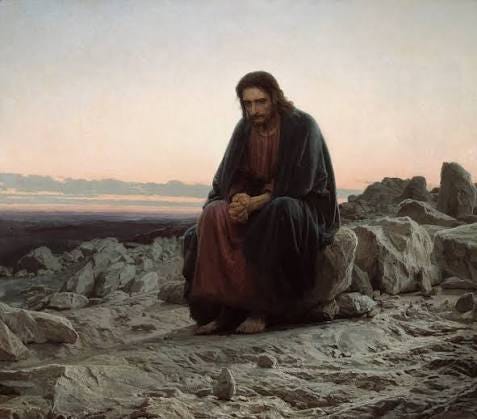
Why utterance? Why not biography? Why not description? Why language motivated enough to carry itself into and out beyond its own promise? Why music?
I find that language is how I keep in touch with ‘my’ intelligence, whatever measure of it I have. In times like this, I feel almost stupid; when my creative juice is exhausted, and no original lung breathes in my imagination, I feel dumb. Essentially, then, the next poem is a new lease on life.
What can a man do? Unable to will oneself into music, what can one do? You read. You pray. You wait. You read poetry out loud. You keep quiet. Of course nothing suffices. If I was married, certainly I would make love—carve into something of being by being with, make discoveries with a different tongue (eros being a form of utterance). But I am barren on both fronts.
I find that language is how I keep in touch with ‘my’ intelligence.
And yet it will come, that yawl of spirit, the blood-inflicted rise of the lyrical limb. It will. The burning skirt of the wind tells me so. 🔷
Thank you for reading Eliot of Lagos. If you’d like to support the work, visit Paystack.